

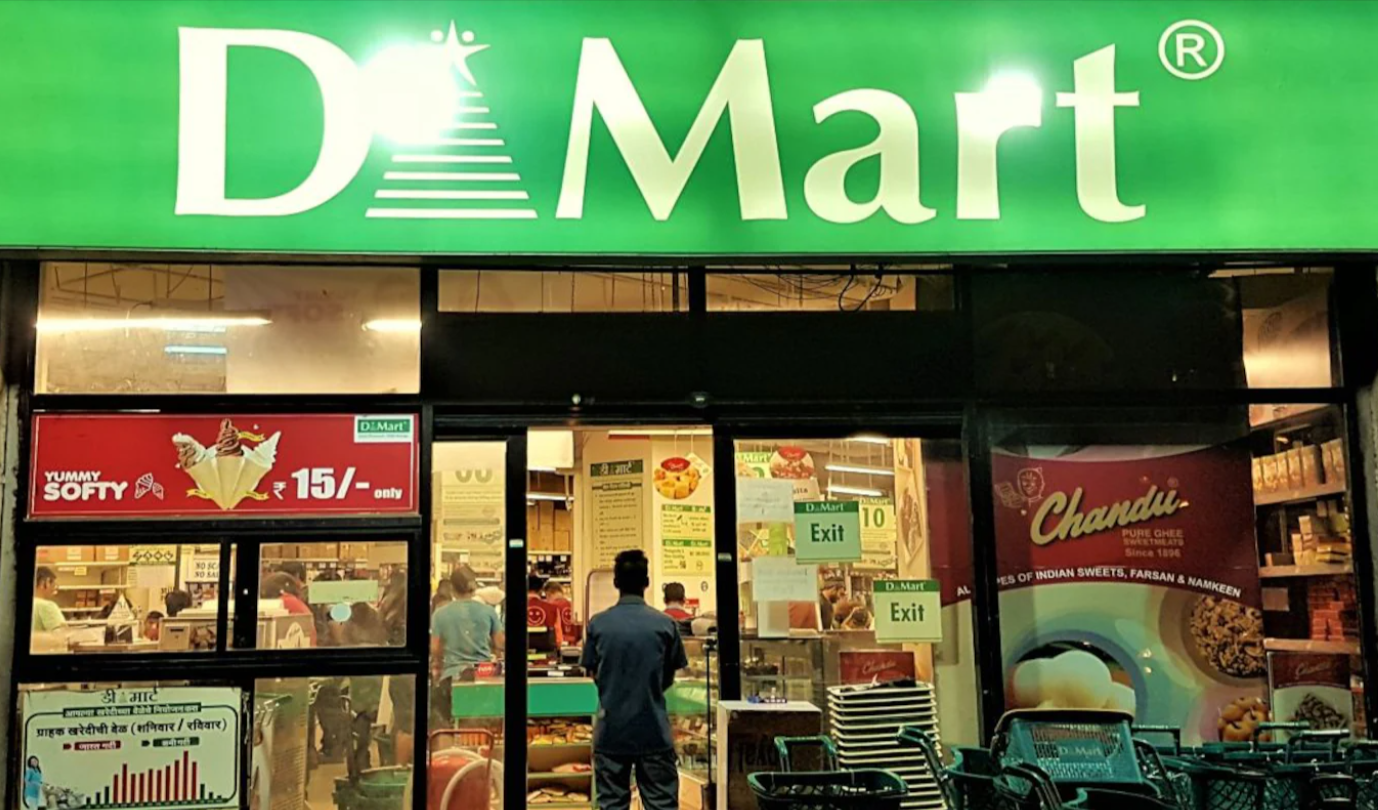
D Mart is one of the most renowned retail chains in India that is known for its emphasis on offering a variety of products that are available at reasonable costs. It was founded around 2002, in 2002 by Radhakishan Damani D Mart has grown to be one of the most profitable supermarket chains in the nation. The company is operated under the name of Avenue Supermarts Limited and has established a solid presence, with more than 300 stores in India. D Mart’s policy of offering top quality goods at a cheaper price has helped make it a popular brand for middle-class shoppers who are looking for the best value for their money.
But how can D Mart earn profit in an extremely competitive retail market? Let’s examine the business model of D Mart and learn how the company earns its revenue.
D Mart’s business Model
D Mart operates on a low-cost retail model that is focused on providing products at a reasonable price, so that customers have access to quality products without spending a fortune. D Mart’s business model is based on the efficiency of costs, economies of scale and the high turnover of inventory that help reduce operating expenses and maintain profitable profits.
Here are the main components of D Mart’s model:
1. Discount retailing D Mart is a discount retailer, which means it sells items at less prices than other retailers. It provides discounts on a range of items, such as food items, personal care products clothing, household items and other general products. With its low prices, D Mart attracts price-sensitive customers looking for discounts, which drive large customer traffic towards its shops.
2. Private Labels D Mart has its own line of private brand products that are only sold in its stores. They include products that are used in everyday life like food, cleaning supplies and personal care products. Private label products usually offer higher margins of profit due to the fact that D Mart controls the production and distribution processes, eliminating the necessity of middlemen. This enables the company to reduce prices while maintaining its profitability.
3. High Turnover of Inventory High Inventory Turnover: A D Mart’s main strengths is its capacity to maintain a high level of inventory turnover. This means that the products sold that are sold in D Mart stores are sold quickly, which means that the inventory does not sit in the store for long time. The rapid turnover of inventory decreases storage costs and increases the risk of un-sold products that could hurt the profits. D Mart’s emphasis on rapid-moving consumer products (FMCG) assists in maintaining the steady stream of revenue.
4. Effective Supply Chain: D Mart has built a extremely efficient supply chain that helps keep operating costs at a minimum. D Mart has direct connections with suppliers and manufacturers which means that it can eliminate intermediaries and bargaining bulk discounts. This enables D Mart source products at cheaper prices, allowing it to provide competitive pricing to its customers. In addition, the company concentrates on supplying essential products that are in high demand and ensures efficient supply chain operations.
5. Owner-occupied Real Estate A distinctive element of D Mart’s business model is the fact that it focuses on being the owner of the real estate in which its stores are situated. Contrary to many other retailers that lease space for their stores, D Mart prefers to purchase the buildings that it uses to set the stores. This helps reduce its cost of renting over the long term and ensures that the business is able to operate profitably in periods of economic decline. Real estate ownership also allows D Mart greater control over the location of its stores along with expansion and growth plans.
6. A Lean Operating System: D Mart operates with an efficient management system which means it keeps its overhead costs low by minimizing marketing expenses as well as store decorations and other costs that aren’t essential. The stores are constructed to be functional rather than flashy, which decreases expenses for operations and allows D Mart pass on savings to its customers through lower costs.
What is the way D Mart Earn Profit?
Revenue model of D Mart is built on a mix of large sales volume, cost efficiency as well as high-margin private label items. This is how the company makes the money:
1. Revenue from sales of products The principal source of revenue for D Mart is through the sale of merchandise at its stores. The retailer offers a broad variety of items, such as grocery items, household goods and personal care items, and clothing. The strategy of D Mart to offer cheap prices has attracted a huge client base, which ensures that the volume of sales remain at a high level. This quantity of sales allows D Mart to earn substantial profits, despite small profit margins for individual items.
2. Private Label Products D Mart’s private-label products are a major contributor to the company’s profitability. They are manufactured and sold exclusively at D Mart stores, which lets the company maintain better margins. Because D Mart controls the production and distribution of private label products it is able to offer products at lower prices than brand-name products, but making more profit. Private label products help differentiate D Mart from competitors and increase overall margins.
3. Cost Savings Through Owned Real Estate Through owning the real estate that houses all of its stores D Mart avoids the high cost of rental that other retailers usually have to deal with. This method not only lowers operating costs but also shields the business from fluctuating rental rates. The savings that come from having real estate assets are transferred to customers in the form lower prices, and D Mart benefits from increased profits due to a reduction in cost of overhead.
4. Bulk Purchases and Supplier Negotiations: D Mart leverages its vast size to negotiate favorable conditions with suppliers, such as bulk discounts as well as longer payment timeframes. In purchasing products in huge quantities, the business will be able to lower the price of the goods it sells (COGS) and improve its margins of profit. Furthermore, D Mart’s solid relationships with suppliers assure an ongoing supply of products which reduces the chance of price fluctuations or stockouts.
5. High Turnover of Inventory: D Mart’s focus on rapidly moving consumable goods (FMCG) permits it to attain high turnover in inventory which means that products are quickly sold, and the inventory is frequently replenished. This ensures the shelves of the company are filled with fresh goods which reduces the chance of selling out products and minimizing the cost of storage. Speedier sales cycles help D Mart maintain cash flow and increase profits.
6. A low operating cost: D Mart’s streamlined operating system helps keep costs down across its stores. D Mart cuts out unnecessary costs like extravagant marketing campaigns or lavish store layouts. Instead, D Mart focuses on creating stores that are efficient, with a focus on the customer’s convenience and functionality. In order to keep operational costs at a minimum, D Mart can maintain good profit margins, while also offering items at lower prices than its competition.
Chances, Challenges for D Mart
Although D Mart has built a profitable business model, it is facing some challenges and opportunities in its Indian retail market
1. Competitors from Online Retailers: D Mart faces growing competition from e-commerce platforms such as Amazon and Flipkart which provide online grocery and household items delivery. With more customers shifting towards shopping online, D Mart will need to improve its online presence in order to be competitive in the online market. But, D Mart has the chance to capitalize on its powerful offline presence to attract clients to the online site.
2. Expansion to new Markets D Mart’s growth strategy entails expanding its reach to new regions and cities across India. There is a lot of opportunity for the company establish more stores, particularly those located in Cities in the 2nd and 3rd Tier in which the there is a demand for low-cost products significant. But, the company has to make sure that it is able to keep its profit margins and cost-effective model when expanding into other markets.
3. It is essential to maintain the efficiency of its supply chain In the event that D Mart continues to grow the supply chain effectiveness is crucial to its growth. It is essential for the company to ensure that its distribution and logistics networks are able to handle the growing demand without sacrificing costs or the quality.
Conclusion
The business model of D Mart is built around the provision of affordable, high-quality goods to Indian customers through its extensive network of cost-effective and efficient stores. The company makes money by focusing on sales, cost-control as well as private label items and also owning its real estate. While D Mart continues to expand its store network and expand the supply chain it’s well placed to continue its lead in the highly competitive Indian retail market. With the growth of online commerce, D Mart may also investigate opportunities to boost its online presence, and ensure steady growth and profit in the years ahead.