

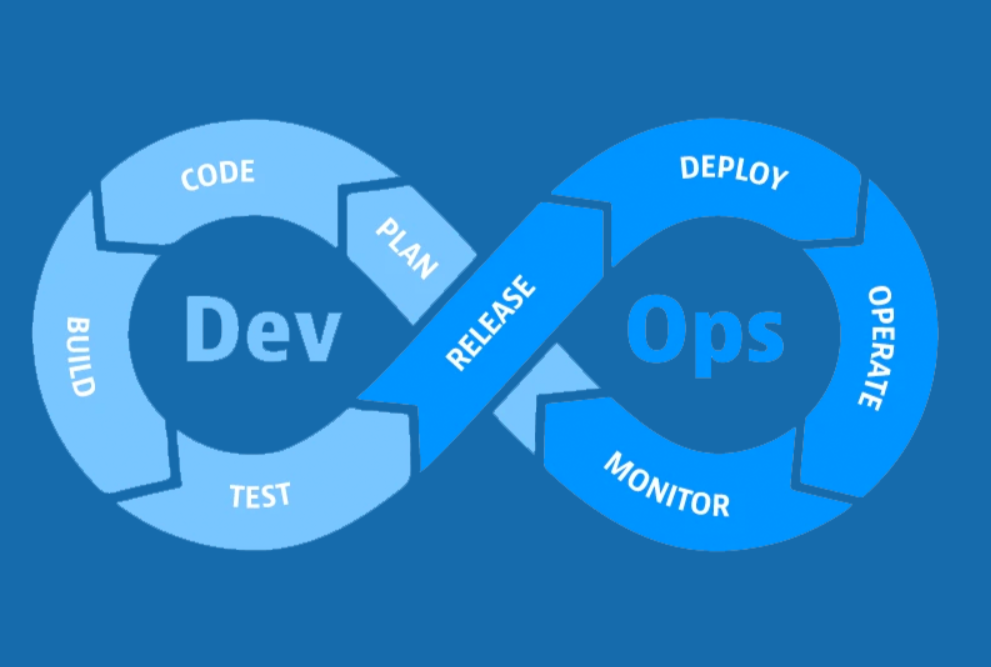
In the constantly changing landscape of digital technology as well as technological changes, DevOps has emerged as an essential method for software development and IT operations. By combining operations and development, DevOps is designed to improve collaboration, increase the speed of software delivery and boost overall efficiency. Many industries are embracing DevOps to remain in the game. But, as with any other method it has its unique set of advantages and drawbacks. This article outlines the advantages and drawbacks of using DevOps for businesses, which is backed by feedback from customers and experts’ insight.
What is DevOps?
DevOps refers to a set of practices, tools and philosophies that are geared towards improving the collaboration with software development (Dev) and operations in IT (Ops). Through automation and integration of methods, DevOps enables faster development cycles, improved software quality and a more secure deployment.
Advantages of DevOps for Business
1. Faster Time-to-Market
DevOps allows continuous integration as well as delivery (CI/CD) that allows companies to make updated software and features on a regular basis and with greater reliability. This gives businesses an competitive edge, especially in fields that demand rapid development.
2. Improved Collaboration
Through breaking down the barriers between operations and development team members, DevOps fosters better communication and collaboration. This helps teams are working towards common goals, leading to smoother workflows and less bottlenecks.
3. Enhanced Quality and Reliability
Monitoring and automated tests that are integrated into DevOps pipelines can help detect and fix problems earlier during developing process. This results in higher-quality software and less post-deployment problems and improves customer satisfaction.
4. Scalability
DevOps methods allow companies to increase their efficiency in scaling their operations. Infrastructure as Code (IaC) lets teams control and allocate resources in a programmatic manner to ensure that systems can manage the increasing demands without causing downtime.
5. Cost Savings
The automation of routine tasks like the testing process and deployment cuts down on the manual effort required and costs associated with it. DevOps reduces downtime as well as improves the reliability of systems, thereby saving cash in the long run.
6. Better Customer Experience
With quicker delivery times and improved software quality companies are able to respond to the needs of customers more efficiently. Continuous feedback loops guarantee that customer suggestions and complaints are promptly addressed.
7. Flexibility and Innovation
DevOps allows agile methods that allow businesses to play with new ideas, implement new features in a gradual manner, and adjust to market shifts rapidly.
Disadvantages of DevOps for Business
1. Cultural Shift Challenges
The implementation of DevOps requires a major cultural change. Teams must adapt to new ways of working which could cause tension or conflict when the process is in transition.
2. Initial Investment
The process of setting up an DevOps infrastructure will require upfront expenses for training, tools and reorganization. Small and medium-sized companies (SMBs) might have a difficult time deciding how to find the resources needed for the initial deployment.
3. Tool Overload
With the abundance of DevOps tools, picking the most appropriate one could be a daunting task. Incorporating and managing multiple tools can become complicated and lengthy.
4. Security Concerns
The speed and efficiency of DevOps often overlook security flaws. If you don’t properly integrate DevSecOps methods, companies risk opening their systems to possible dangers.
5. Complexity in Large Organizations
Large companies with numerous teams and outdated systems Implementing DevOps can be a challenge. Moving diverse teams and groups existing systems to the DevOps framework usually requires a lot of time and effort.
6. Dependence on Automation
Automation is an essential element of DevOps However, relying too heavily on it can cause problems if the automation procedures fail or if they are incorrectly configured.
Real-World Feedback on DevOps
The feedback of users about DevOps implementation varies based on the size of the company as well as the industry and its experience in implementing the methodology. Below is a list of common themes that are derived from feedback through online platforms and users’ experiences.
Positive Feedback
- Increased Productivity Teams have reported that workflow automation and streamlining drastically reduce development time and operational costs.
- Better Software Quality Companies appreciate the ability to identify and address issues earlier during the process, which leads to less post-release issues.
- Flexibility Users highlight the ease of adjusting to market needs through DevOps the’agile nature.
Negative Feedback
- Learn Curve Certain businesses are faced with challenges when it comes to training their employees to be able to adapt to the latest tools and methods.
- Integrity Complexity Organizations that have legacy systems have issues the integration of DevOps practices into workflows that are already in place.
- Cost concerns SMBs frequently mention that the initial expenditure on tools and training could be a hindrance to the adoption.
Comparison Table Advantages over. Disadvantages of DevOps for Business
| Advantages | Disadvantages |
|---|---|
| Faster time-to-market for software delivery | It requires a major shift in culture |
| Better collaboration between teams | The initial investment is high in training and tools |
| Increased quality of software and reliability | The tools available are numerous. |
| Scalability via Infrastructure as Code | Security concerns that could arise without DevSecOps |
| Cost savings by automation | Complexity in large companies |
| Faster and more efficient customer service with frequent updates | Automation is too dependent. |
| Innovations are flexible and market shifts | The learning curve for teams |
Key Tools in the DevOps Ecosystem
The most well-known tools that companies employ for implementing DevOps practices are:
- CI/CD Tools: Jenkins, GitLab CI, CircleCI
- Containerization: Docker, Kubernetes
- Configuration Management: Ansible, Chef, Puppet
- Monitoring and Logging: Prometheus, ELK Stack, Datadog
- Version Control: Git, Bitbucket
- Cloud Platforms: AWS, Azure, Google Cloud
The best combination of these tools will depend on your business’s requirements, the existing infrastructure, as well as team expertise.
How to Overcome DevOps Challenges
- Spend money on training equip your team with the capabilities and expertise to function efficiently in the DevOps environment.
- Start small Start by launching pilot projects to evaluate DevOps techniques before implementing them throughout the company.
- Implement DevSecOps Integration of security within the DevOps pipeline to address possible security issues.
- Choose the right tools Choose tools that are in line with your goals for business and make sure they are compatible with your existing systems.
- Create a Culture of Collaboration to encourage open collaboration and communication between operations and development teams in order to reduce resistance.
Conclusion
DevOps is a highly effective method that has the potential to transform how organizations approach the development of software and IT operations. Its advantages — speedier delivery cycles as well as improved quality, lower costs, and enhanced collaboration — make it an appealing option for businesses looking to remain in the game. However, issues such as resistance to culture as well as high initial costs and tool complexity need careful planning and implementation.
For companies who are considering DevOps It is crucial to consider its benefits and disadvantages within the context of their requirements and objectives. If you have the right approach, DevOps can serve as an engine for operational innovation and improvement and can lead to long-term success in a digital environment.