

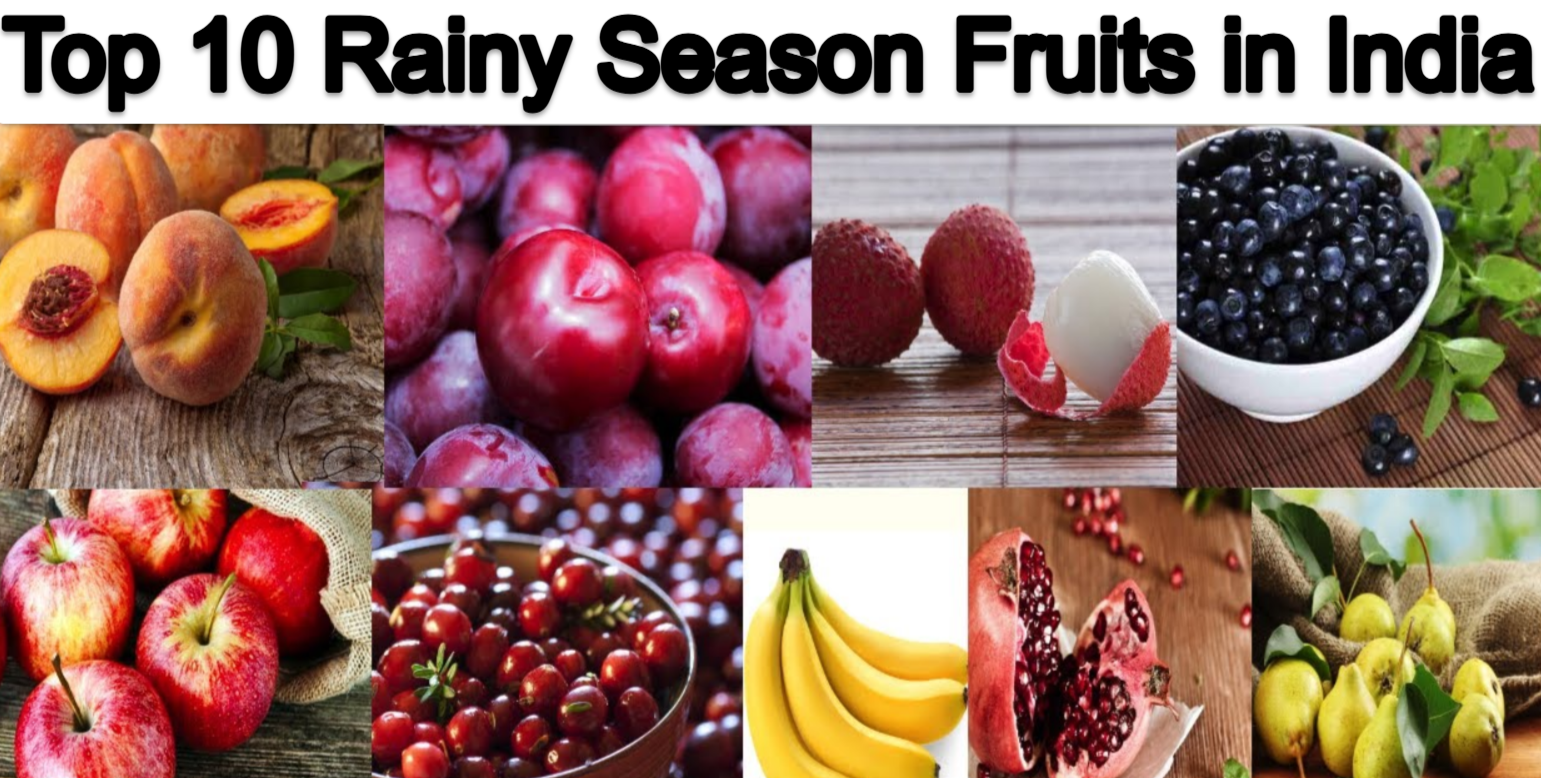
The monsoon season in the United States extends from June through September. These fruits offer an incredibly fresh change to the climate. They also offer us a wide array varieties of fruits that are seasonal. The rainy season fruits aren’t just tasty and delicious, but they also are natural storage facilities for nutrients. The health benefits that are the most beneficial of these fruit are that they improve the immune system of an individual and also have a significant role to play in improving digestion. A majority of them have medicinal value and provide relief from diseases associated with the monsoon. These are top 10 most popular rainy season fruit in India and their health benefits.
Top 10 Rainy Season Fruits in India
1. Black Plum (or Jamun:
Also known in the form of black plum and Indian blackberry This fruit is thought to be the main attraction in the season of rain. It’s color is purple and has a sweet tangy flavor that makes it a popular choice for people who love fruit. It is stuffed with anthocyanins rich in nutrients that create free radicals that help in enhancing the process of oxidation. Also, it has an astringent component that assists in the treatment of digestive issues. Jamun is also believed to have a regulating effect on glucose levels in the blood. It is most enjoyable by eating it raw, or as a snacking, although we could make juices and smoothies too.
2. Litchi:
Litchi is the main fruit we can expect to try in the summer months but it will be available in the beginning of the monsoon season. Litchi is renowned due to its sweet and juicy pulp. It is made up of more than 20% water. The fruit aids in keeping the body hydrated as well as aids in increasing collagen production. Litchi is a superfood that is a storage house for flavonoids and Vitamin B Complex. They are essential to improving the health of your immune system. Because the fruit is high in fiber, they help to ease the flow of bowels and helps to prevent constipation.
3. Peach:
Peaches are juicy and soft fruit that can be enjoyed during the monsoon seasons. They can improve the health of skin. They are also high in Vitamins A and Vitamin C. They assist in promoting a healthy, glowing skin, and can help slow the aging process. They are not high in calories, and high in fiber and therefore are perfect for losing weight superfoods. They also have natural laxative qualities that are extremely beneficial to your digestive tract. Because peaches are full of potassium, they are also able in regulating blood pressure and help maintain healthy heart health.
4. Plums:
This small and round fruit is available in various shades of color, including red or yellow, as well as purple. They are very tart and sweet taste that makes them one of the most popular fruits during monsoons. They are great for protecting your body from damage caused by free radicals. They are rich in fiber content, and are a key factor in preventing constipation as well as helping to keep the intestines healthy. Because plums are a great source of Vitamin K, they increase calcium levels and nourish skin.
5. Papaya:
Papaya is an exotic fruit that is readily available during the rainy season. It comes with numerous health benefits, but its primary benefit is that it aids in easing digestion. It is high in vitamin C and beta carotenes, which aid in strengthening your immune system. The antioxidants in papaya aid in fighting acne, and also aids in reducing wrinkles on the skin. Papaya is also rich in fiber, potassium and vitamins which aid in maintaining healthy functioning of your blood vessels and heart.
6. Pomegranate:
Pomegranate with its red-orange arils, is visually appealing and nutritiously rich. Pomegranates contain antioxidants that help fight inflammation and guard against chronic illnesses. Regular consumption lowers cholesterol and blood pressure levels. Since the fruit is high of vitamin C it aids to improve your immune system. Pomegranate seeds contain fiber, which helps with digestion. It tastes best in its raw form, however we can mix them into smoothies or juices for consumption.
7. Custard Apple:
Custard apples are very delicious and creamy monsoon food that is a key factor in boosting our immunity in the rainy seasons. Custard apples are rich of Vitamin B6 and assists in promoting brain’s health. The fruit is a source of fibers from the diet, which aid in digestion, and also consists of potassium which assists in controlling the blood pressure of the body.
8. Pineapple:
Pineapple with its acidic and sweet taste is a refreshing and sweet treat with a variety of health benefits. Pineapple is a good source of Vitamin C that boosts the immune system and encourages collagen production to maintain a healthy skin. Bromelain is an enzyme present in pineapple, assists digestion, breaking down proteins as well as improving the health of the intestinal tract. Additionally, pineapple is a rich source of manganese, a mineral that is essential to maintain strong bones.
9. Cherries:
Cherries are tiny and delicious fruits that really are full of flavor and color that enrich our monsoon meals. Cherries are anthocyanics rich and vitamin C that helps in preventing the effects of oxidation. The anti-inflammatory properties of cherries aid in reducing arthritis symptoms. They are low on calories and rich in fiber and therefore ideal for weight loss diets.
10. Pear:
The pear has a soft, soft skin and are generally a green color. Also, they have soft and juicy flesh. Pears are available in a variety of varieties and each come with their own distinct flavor profile that varies from tangy to sweet tastes. Pears are believed to have many vitamins as well as a variety of essential nutrients. They aid the body in fight off various illnesses.
These fruits readily available during monsoons and throughout the year, have a range of tastes as well as nutritional benefits. They make a great choice in the kitchen and snacking. Consuming these fruits keeps us in top shape of our health and provide an extremely high level of energy.