

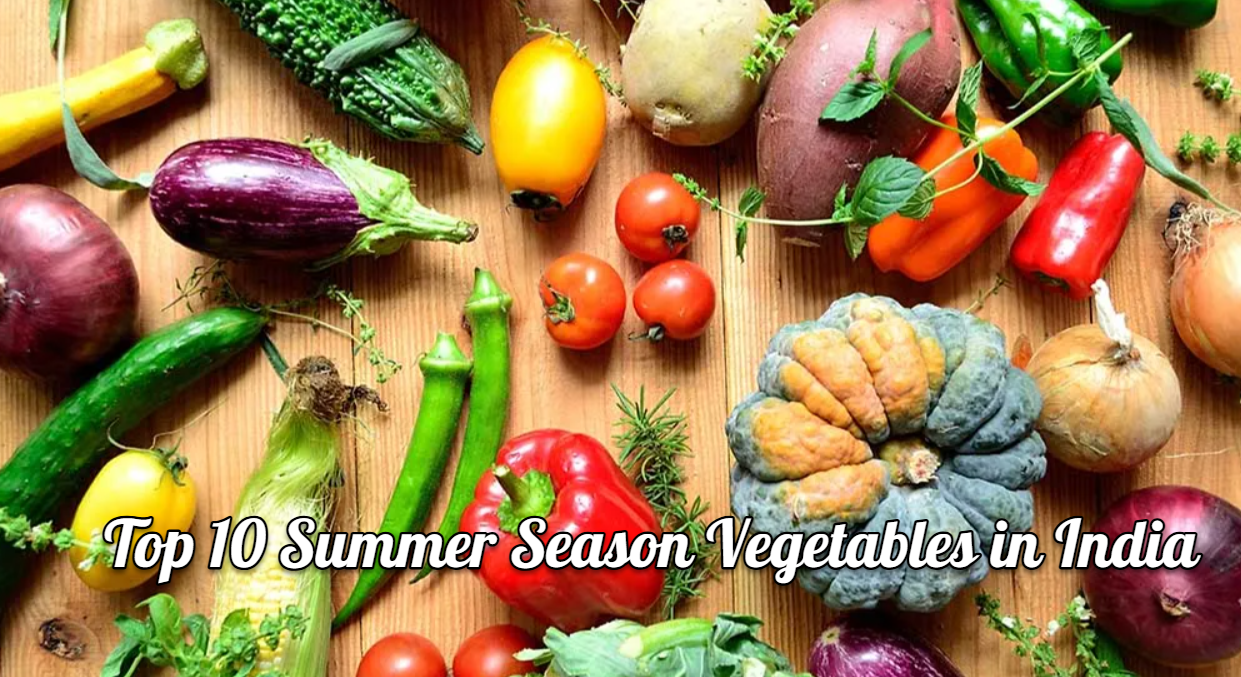
With the summer season nearing, the necessity to incorporate summer vegetables into our diets is more important. It can help us avoid many illnesses like dehydration, vitamin deficiencies skin allergies, etc. Consuming these fruits and vegetables every day will help our body feel healthy and happy in the hottest times in the entire year. Here are some of the best healthy and refreshing summer vegetables should be included into your daily diet.
Top 10 Summer Season Vegetables in India
1. Beans:
Bean is known as French Beans and Green Beans in India. The plant is extensively grown across Karnataka, Andhra Pradesh, Maharashtra and Tamilnadu. It is a marvel plant that flourishes in the backyard gardens of homes as well as in large agriculture fields. Beans are rich in protein, fiber and other minerals essential to human health. They are beneficial in promoting well-balanced digestive and heart health. they also help to control glucose levels in the blood. Beans are also helpful in weight loss and are a staple in Indian food. Beans are delicious in a stir-fry recipes as well as cook it with coconut, spices and curry leaves to make an enticing dish.
2. Bitter gourd:
Bitter gourd is locally referred to by the name of Karela across the state, and it is very thriving in the humid and warm climates of areas like Andhra Pradesh, Maharashtra, and Karnataka. It is a distinctive bitter taste that adds of depth to the dishes. It is among the most sought-after ingredients in Indian cuisine due to the health benefits it provides. It is a key ingredient in controlling blood sugar levels as well as aids in digestion. In India bitter gourd, packed with spicy masala and cooked is a healthy and delicious treat.
3. Bottle gourd:
Bottle gourd is also referred to as ghiya or lauko is a favorite in the areas that are sun-kissed of the country. It is a favorite of the people of Bihar, Uttar Pradesh and Maharashtra because it is a great source of water. It also contains vitamins B and C, and is a good source of minerals such as magnesium, calcium and antioxidants. It improves the condition of hydration in the body, aids in digestion and supports weight loss. It is adored by chefs for its versatility in cooking and mild flavors.
4. Ridge gourd
It is also known locally by the name of Torai also known as turai and is grown in a humid and warm atmosphere. It is cultivated across a variety of regions in India including Uttar Pradesh, West Bengal and Tamil Nadu. It’s low in calories however, it is rich in fiber, vitamin C and A along with minerals like potassium and iron. This is a common vegetable that aids in digestion, immune as well as heart health. The ridge gourd is a powerful cooling properties, and is utilized in Ayurvedic treatment. The succulent flesh and mild flavor make it an ideal ingredient in stir-fries and curries.
5. Snake gourd
Snake gourd is an adored vegetable and can be used in many ways including stews, soups and as a side for rice and roti. It is also known in the form of “chichinda”, and grows in several states of India including Kerala, Karnataka, and Andhra Pradesh. It has a low calorific value and is abundant in fiber as well as Vitamin A, vitamin C, and E and a variety of minerals, such as magnesium and calcium. It’s beneficial for the digestion process, health of bones and immune system.
6. Ivy gourd:
Coccinia grandis, often referred to as ivy gourd is a wonderful and nutritious vegetable. The ivy gourd, also commonly referred to locally in India as kundru, tindora, or kundru is a favorite in a variety of states, including Kerala, Karnataka, and Maharashtra. It is not very calorific however, it is rich in minerals, fiber as well as vitamin C and A. It helps with digestion, improves immunity, and aids in helping to keep blood sugar levels in check. Incredibly, ivy-gourd is also utilized in traditional medicine to aid in the cure of diabetics. Tindora is used extensively in the preparation of curries, pickles and stir-fries due its crunchy texture and subtle tart taste.
7. Brinjal:
Brinjal is regarded as an adaptable Indian vegetable that is a versatile one. It is linked to strong female ancestry in Indian cuisine. In the culture of India Brinjal is often known as baingan, or eggplant. the plant is cultivated and harvested in major states, including Andhra Pradesh, Maharashtra, Karnataka and a host of other states. Brinjal is a low-calorie plant It is also rich in fiber as well as vitamin C, Vitamin K, Vitamin B6 as well as minerals such manganese and potassium. It is beneficial to heart health and digestion, and is utilized to make a variety of dishes.
8. Cucumber:
In India the country of India, cucumbers are known as kakdi and kheera. They are cultivated in areas with high temperatures and sun like in states such as Maharashtra, Karnataka, and Punjab. It is a vegetable for summer that is well-known due to its water content. This is extremely refreshing and hydrating. Kheerakhera is low in calories, but rich in vitamin K as well as antioxidant compounds including beta carotene. It assists in keeping the body hydrated and aids with digestion, and are great for skin.
9. Okra:
Lady’s Finger, also known as bhindi as it is popularly recognized, is found in abundance in states such as Uttar Pradesh, Gujarat and Andhra Pradesh in India. Lady’s finger is also high in fiber and vitamin C and Vitamin K and other essential antioxidants. It helps digestion, improves immunity, and aids in maintaining bone health. It is interesting to note that the okra’s slippery texture is due to mucilage which aids digestion.
10. Pumpkin:
Cucurbita pepo, more commonly referred to as kaddu or pumpkin, also known as petha or kaddu in India It is very popular within Maharashtra, Uttar Pradesh, and Karnataka. It is a highly healthy vegetable, containing Vitamins A and C as well as as well as fiber as well as antioxidants. It aids in improving the health of your eyes, immune system, and digestion. Its sweet flavor is a great addition to desserts that are savory, like pumpkin Halwa.
The summer vegetables of India are utilized in a myriad of ways to make culinary delights. They provide a great deal diversity to food and provide many health benefits for our overall health. The majority of them are readily accessible throughout the year, but particularly in the summer months for better overall health.